Frameless Torque Motor
Start inquiry
Frameless Torque Motor
WhatsApp
Frameless Torque Motor

China-based frameless torque motor supply partner coordinating OEM customization, quality control, and global delivery through Shenzhen/Dongguan production relationships.

Inquiry Email

[email protected]

Email app

Include target torque/speed, quantity, and delivery location.

Instant Chat

+86 18857971991

Chat on WhatsApp

Direct response from our engineering team.

Products
  • Frameless Torque Motors
  • Compact Robot Joint Motors
  • Large Hollow-Shaft Torque Motors
  • Custom OEM Motor Assemblies
Applications
  • Collaborative & Humanoid Robotics
  • Medical & Surgical Robots
  • Aerospace & Optical Gimbals
  • Precision Automation
OEM Capabilities
  • Custom Engineering
  • Factory Capabilities
  • Quality & Testing
Resources
  • Selection Guide
  • Installation Guide
  • CAD & Datasheets
  • RFQ Checklist
  • Engineering Blog
  • About
  • Contact / RFQ
  • Privacy Policy
  • Terms of Service
© 2026 Frameless Torque Motor. All Rights Reserved.|Factory-facing OEM/ODM support for frameless torque motors, robot joint motors, and custom direct-drive motor assemblies.
← Back to Solutions

Collaborative & Humanoid Robotics

Frameless torque motors for compact robot joints that need torque density, smooth control, and rapid OEM iteration.

Target Buyer:Robotics OEMs and startups evaluating joint motors for compact high-torque actuators.
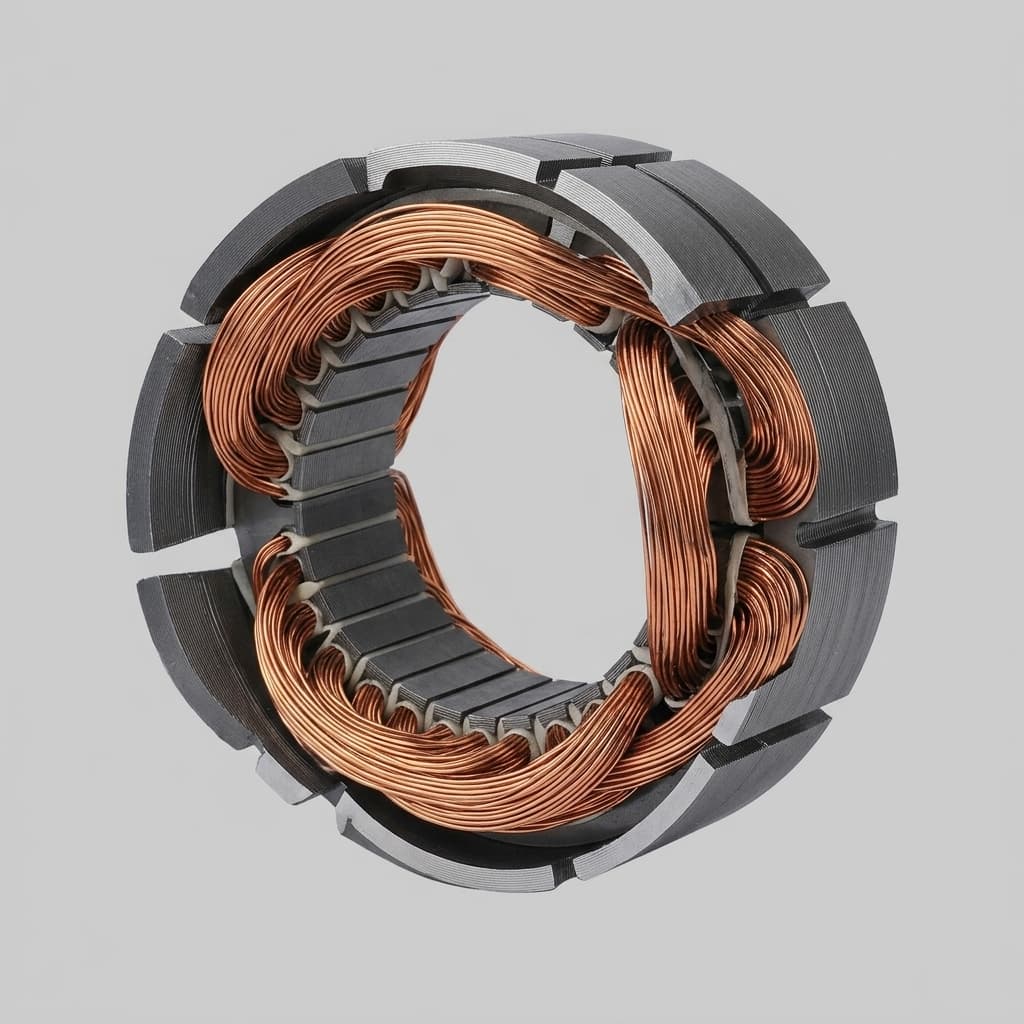
Humanoid robot joint drive motor with high torque density

Solution Highlights

  • Compact rotor/stator geometry for joint packaging and cable routing.
  • Low cogging and high torque density targets for smooth robot motion.
  • Custom prototype support for cobot, humanoid, and exoskeleton programs.

Common Use Cases

  • Cobot arms
  • Humanoid robot joints
  • Exoskeleton actuators

Implementation Focus

Application pages should answer whether the motor architecture fits the real machine, not only whether the product family sounds relevant. Review these points before sample planning so the motor, housing, sensor, drive, and validation method stay aligned.

  • Joint OD/ID, reducer fit, encoder placement, and thermal path.
  • Low-speed smoothness, torque ripple, and dynamic response.
  • Prototype MOQ, sample acceptance, and iteration timing.

Application Evaluation Matrix

Use the matrix to translate application intent into supplier requirements. The same frameless motor family can behave differently when the housing, cooling path, encoder, duty cycle, or smoothness target changes.

Evaluation MetricTypical RangeBuyer Relevance
Torque-to-volume fitJoint-specificDetermines payload and compactness of the robot joint.
Smooth low-speed controlApplication-specific ripple targetImproves interaction quality and motion stability.

RFQ Preparation Checklist

The best application RFQ describes the axis and duty, not just a desired product name. Include what the motor must move, how often it moves, how heat leaves the structure, and how success will be measured.

  1. Target outside diameter, inside diameter, stack length, and available mounting envelope.
  2. Continuous torque, peak torque, target speed, duty cycle, and expected motion profile.
  3. DC bus voltage, current limit, cooling method, ambient temperature, and insulation requirement.
  4. Lead wire, connector, Hall, encoder, resolver, or bare motor integration requirements.
  5. Prototype quantity, annual forecast, target delivery country, and requested timeline.
Risk and Mitigation

Application risk usually appears during integration: temperature rise, low-speed behavior, cable routing, rotor handling, encoder alignment, or a mismatch between catalog torque and real duty.

  • Robot joint envelope changes after sample order: Lock mechanical revision before sample winding and fixture planning.

Application Validation Plan

Before moving from sample to pilot build, define how the application will prove fit, motion, thermal behavior, and assembly repeatability. This gives Google and human buyers a clearer view of the practical decision process behind the page.

Validation AreaWhat to MeasureWhy It Matters
Mechanical fitOD, ID, air gap, rotor retention, lead exit, sensor spacePrevents sample success from depending on hand fitting.
Motion behaviorStartup, low-speed smoothness, acceleration, torque rippleConfirms the motor works with the selected drive and control loop.
Thermal dutyTemperature rise under realistic duty and cooling pathProtects continuous torque assumptions from being overstated.
Pilot readinessAssembly time, handling risk, records, packaging, shipmentTurns a working sample into a repeatable supply program.

Recommended Products

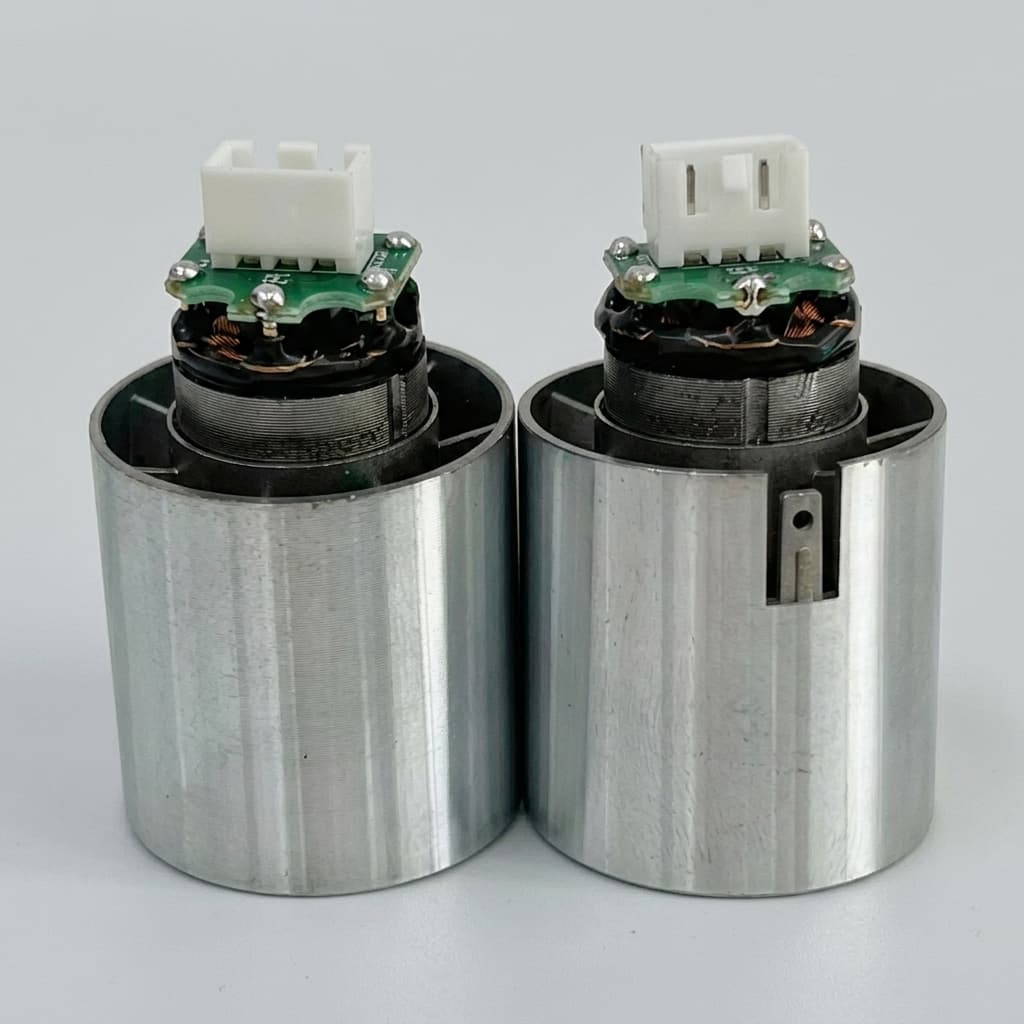
Collaborative robot joint drive motor with integrated encoder
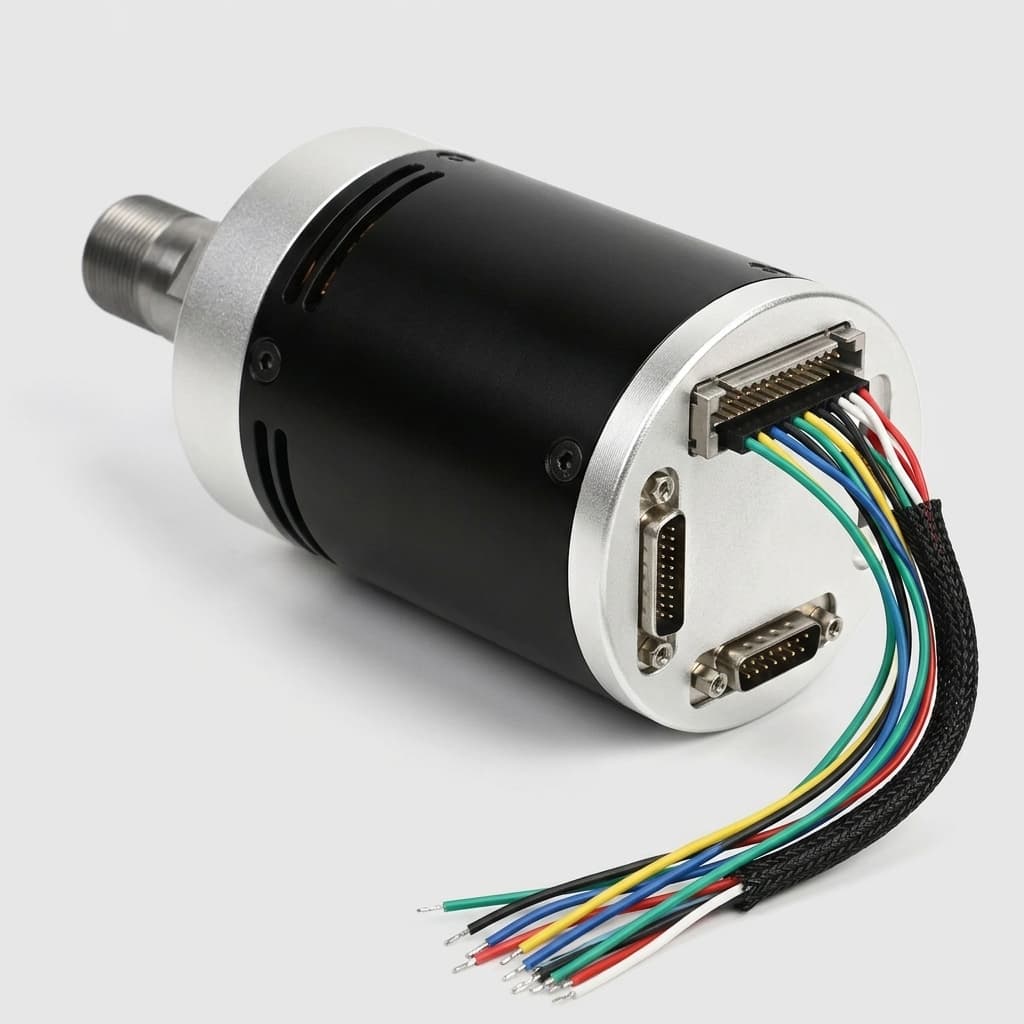
Industrial robot joint actuator motor stator and rotor

Buyer FAQ

What should a robotics RFQ include?

Send joint envelope, torque-speed duty, reducer/encoder layout, voltage/current limit, cooling path, prototype quantity, and annual forecast.

Related Resources

  • Compact robot joint motors
  • Installation guide
  • Contact / RFQ

Inquiry Email

[email protected]

Email app

Include target torque/speed, quantity, and delivery location.

Instant Chat

+86 18857971991

Chat on WhatsApp

Direct response from our engineering team.